The short answer
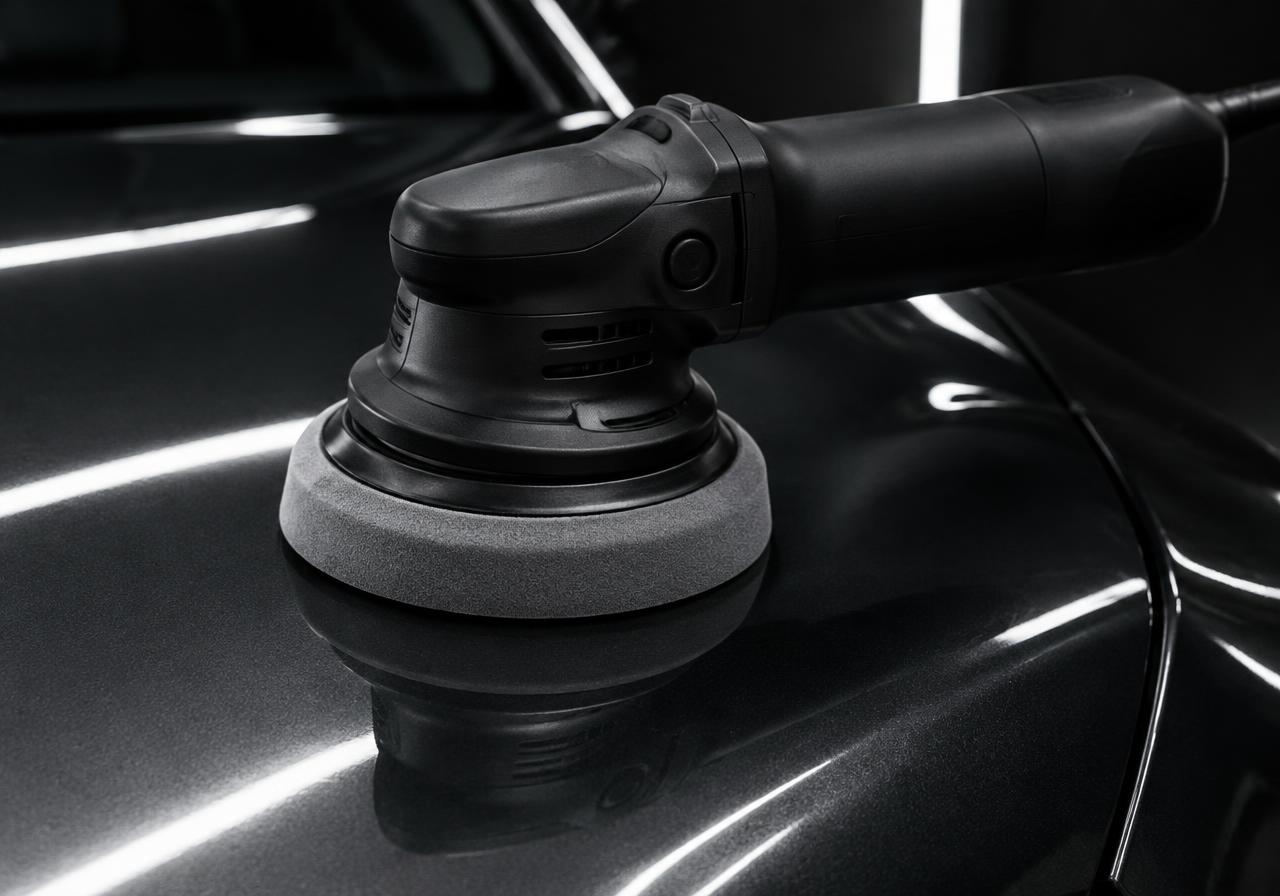
Polishing and paint correction are related: both refine the clear coat with abrasives. Polishing often describes improving gloss and reducing light imperfections. Paint correction is a more targeted effort to reduce visible defects and may involve several stages.
These terms are not used consistently everywhere. Rather than choosing by the label alone, ask what work is included, what improvement is realistic, and what limitations the vehicle’s finish has.
When might polishing be suitable?
If the paint is in relatively good condition but looks dull or has light swirl marks, a less intensive polishing service may be sufficient. The choice depends on the condition of the finish and the improvement you want.
Proper washing and removal of bonded contamination come first. Polishing a contaminated surface can introduce further defects; cleaning and polishing serve different purposes.
When is paint correction considered?
More visible swirls, holograms and some surface scratches may call for targeted correction. A test spot helps the detailer choose a compound and pad and assess the likely improvement before treating the whole vehicle.
More stages do not automatically make a service the better choice. The goal is an agreed improvement with careful treatment, not removing as much clear coat as possible. Repainted panels, edges and previous treatment history require particular attention.
What can polishing not fix?
A deep scratch, a stone chip, or failing and peeling clear coat cannot be repaired by polishing alone. Some defects may become less noticeable, but complete removal should not come at the expense of the finish. Other repair work may be necessary.
Neither polishing nor ceramic coating guarantees permanently scratch-free paint. Subsequent washing methods and everyday use influence how well the result lasts.
What affects cost and time?
Vehicle size, contamination, the extent of defects, paint condition, preparation and the agreed protective finish all matter. Photos help an initial discussion, but cannot reveal every defect or establish the condition of the clear coat.
At AutoAura, cost and the time needed are clarified after assessing the specific vehicle. Sending a request is not a confirmed booking; the service and appointment time are agreed separately.
Care after treatment
Avoid wiping away dry dust or cleaning with a dirty cloth. Use suitable wash products and clean, soft accessories. If a protective finish is applied, follow the curing and aftercare instructions for that specific product.
If you are considering polishing or paint correction in Tbilisi, describe the vehicle’s condition and the result you want. This helps select appropriate work and avoid unnecessary treatment.
Related services
- Car Polishing
Gloss enhancement and reduction of minor surface imperfections where the paint allows.
- Paint Correction
Assessment and correction of suitable defects, including certain swirl marks and light scratches.
- Ceramic Coating
Paint protection and easier maintenance — without promises of permanent protection.